
Table of Contents
A Journey Through the Consoles That Shaped an Entire Generation
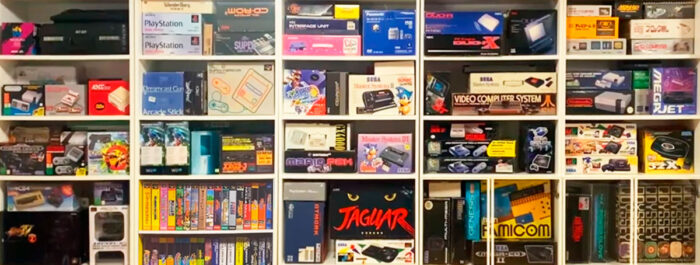
If you grew up in the 1980s or 1990s, it’s very likely that your first console had no internet, no patches and no digital stores. All you had to do was switch it on, insert the cartridge or CD, and start playing.
Today, decades later, retro consoles are enjoying a second youth. But how did we get from 8-bit systems to HDMI? Let’s take a journey through the history of the consoles that defined an entire generation and that still inspire nostalgia, passion and collecting today.
The 1980s: The Birth of the 8-Bit Era
Atari and the Early Beginnings
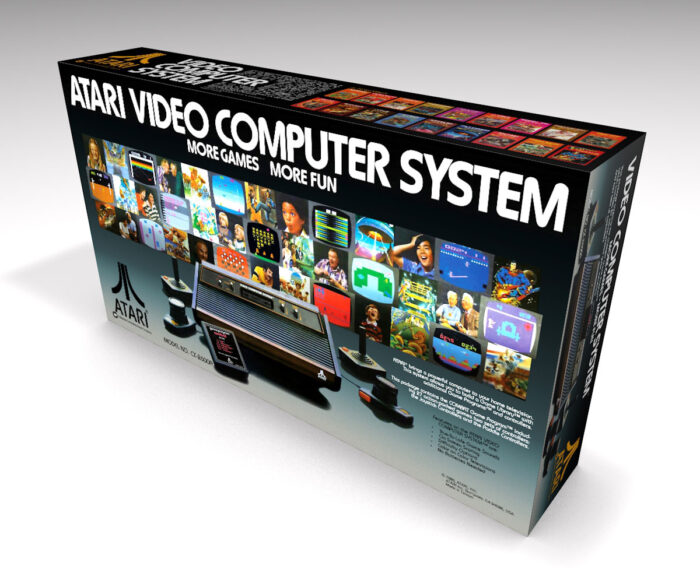
Before Nintendo and Sega, Atari was the gateway to home video gaming. Simple consoles, basic graphics and fast-paced games that laid the foundations for everything that came later.
At the time they were revolutionary, and although they may look primitive today, they are increasingly valued.
Nintendo Entertainment System (NES)

The NES arrived in Spain in the late 1980s and changed everything.
• 8-bit graphics
• Cartridges
• Games such as Super Mario Bros., Zelda or Metroid
For many people, it was their first ‘proper’ console — and also the first box that many parents threw away, without realising what it would be worth years later.
Today, an NES with its original box can be worth several times more.
Many of the retro consoles we value so highly today, such as the NES, increase in value significantly when their original packaging has been preserved. If you are looking for boxes for your classic consoles, RetroBoxes offers high-quality, compatible models designed for collectors.
The Late 1980s and Early 1990s: The 16-Bit Console War
Sega Mega Drive vs Super Nintendo
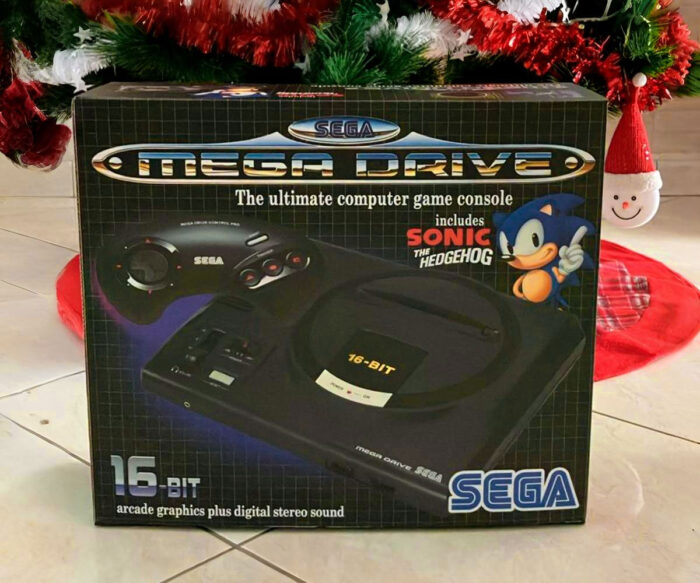

This is where many people still take sides.
• Mega Drive: speed, arcade action and attitude
• Super Nintendo (SNES): colour, sound and more ‘polished’ games
Both defined a golden era:
• Sonic
• Street Fighter II
• Super Mario World
• The Legend of Zelda: A Link to the Past
It was also the moment when packaging gained real importance, with iconic artwork that today is considered a true collector’s item.
Mid-1990s: Handheld Consoles and New Experiences
Game Boy: A Revolution in Your Pocket
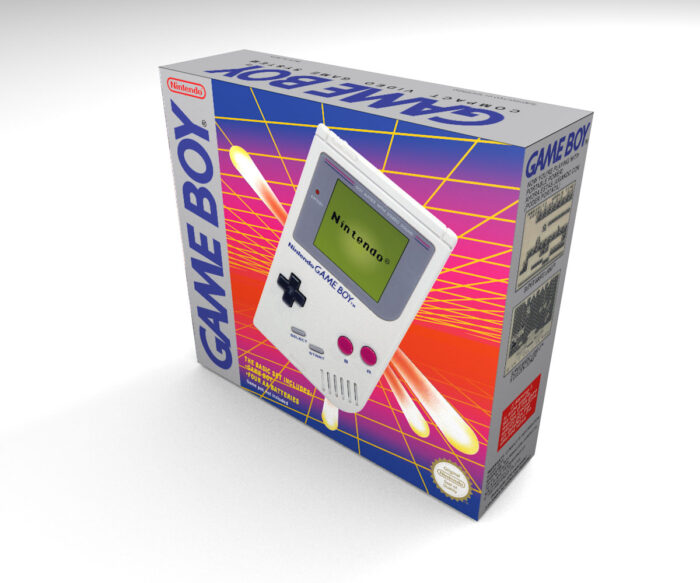
La Game Boy no era la más potente, pero sí la más divertida.
• Pilas
• Pantalla verde
• Juegos interminables como Tetris
Muchos jugamos durante viajes, recreos o debajo de la sábana por la noche, hoy, una Game Boy con su caja bien conservada es una pieza muy buscada.
Finales de los 90: el salto al 3D y los CDs
PlayStation (PS1)
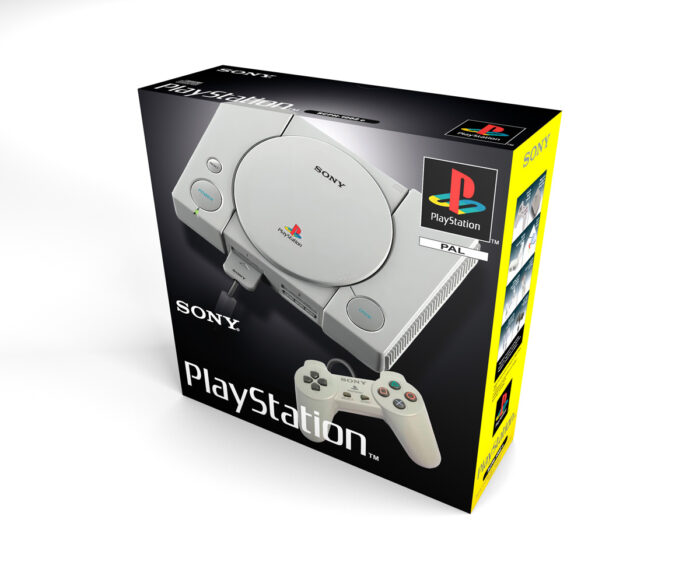
Sony entered the market… and dominated it.
• CD-based games
• 3D graphics
• A vast catalogue
Tomb Raider, Final Fantasy VII, Gran Turismo, Metal Gear Solid…
The original PlayStation defined an entire generation.
And with it came something new: extensive manuals and special editions that are highly valued today.
Consoles from the early 2000s, such as the original PlayStation, remain highly sought after by collectors, and having a box in good condition makes a real difference. Explore our range of retro boxes for PS1 and other models.
Nintendo 64 y Sega Saturn
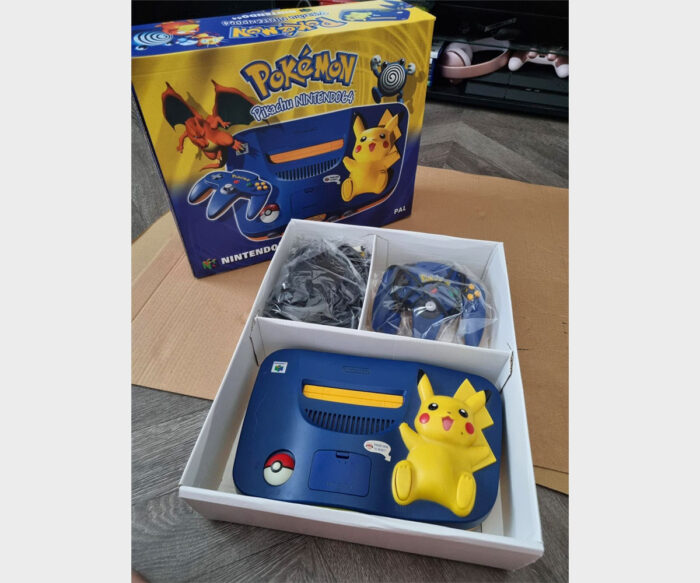
While Sony committed to CD-based media:
- Nintendo continued to use cartridges
- Sega experimented with more complex hardware
Although not all of them achieved the same commercial success, today they are highly valued by collectors, especially when their original packaging is preserved.
For both the Nintendo 64 and the Mega Drive, well-preserved boxes can significantly enhance the value of your collection. In our shop, you’ll find boxes for retro consoles and accessories designed to help keep them in perfect condition.
Early 2000s: The End of the ‘Retro’ Era
PlayStation 2, GameCube and Xbox

This is where the definitive shift begins:
- More realistic graphics
- DVDs
- Longer and more complex games
For many collectors, the PS2 marks the boundary between retro and modern gaming. Even so, its early complete editions are beginning to increase in value.

From RF Cables to HDMI: How Retro Gaming Made Its Comeback
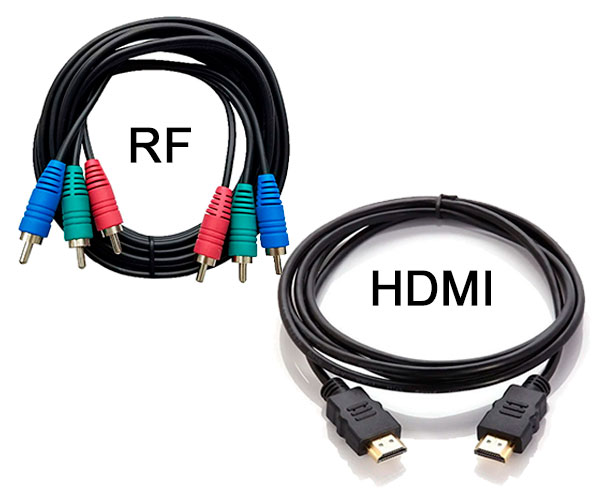
Today we play on flat-screen televisions, with HDMI connections and resolutions that were unthinkable in the 1980s.
But interest in retro gaming has not disappeared — quite the opposite:
- Mini consoles
- Re-releases
- Emulation
- Collecting
Many players are looking to relive the original experience — not just to play the game, but to own the console and preserve it in its box, just as it was back then.
The Current Value of Retro Collecting
Today:
- Consoles without their boxes are still perfectly playable
- But consoles with their boxes are the ones that truly stand out
Why?
Nostalgia, aesthetics, preservation and economic value.
The problem is that original boxes are becoming increasingly difficult to find in good condition, which has led many collectors to look for solutions to protect and present their collections as they deserve.
Preserving the Past: A Key Part of Retro Gaming
Retro collecting is not just about playing, but about preserving a part of our personal history.
That is why the following aspects are so highly valued today:
- Presentation
- Care of the materials
- Protection against the passage of time
Because these consoles are not just plastic and circuitry — they are memories, endless afternoons with friends, and an era that can never be repeated.
Conclusion: Why Retro Gaming Is Alive and Thriving
Consoles have evolved from 8-bit systems to HDMI, but the feeling remains the same.
For those of us who grew up with them, retro gaming is not a trend — it is a way of coming home.
And every well-cared-for console, with its original aesthetic, is a small time capsule.
If you own classic consoles and want to preserve them as they deserve, taking care of their presentation is just as important as their functionality. More and more collectors are choosing solutions that allow them to protect and display their retro consoles while maintaining the original look, even when the original box has already deteriorated.
Retro gaming is more than nostalgia — it’s preservation
From 8-bit consoles to HDMI, every generation has left its mark, and keeping that legacy alive means protecting, storing and displaying our consoles properly. Whether you are a seasoned collector or just starting your retro gaming journey, preserving the original look of your consoles adds value, authenticity and longevity to your collection.
Using high-quality retro console boxes and protective packaging is one of the most effective ways to safeguard your collection for the future. Proper storage not only protects against dust, light and wear, but also enhances presentation and long-term value. As interest in retro gaming and collecting continues to grow, caring for these consoles today ensures they can be enjoyed — and admired — for many years to come.